Introducing the Schank Family Law Divorce Course — a free, attorney-built guide to navigating divorce in California. Click here to sign up!
![]()
387 reviews
Written/Reviewed by:
Last Updated: September 30, 2026
Reading time: Est 18 minutes
Custody cases come down to one question: what arrangement serves the children’s best interests? California judges have wide discretion in answering that question, and how you present your involvement as a parent, your home environment, and your plans for the future all factor into their decision.
Our San Bernardino, CA child custody lawyer has guided parents through this process for over two decades. Schank Family Law understands how custody cases move through the Inland Empire courts, what evidence matters most, and how to prepare clients for mediation sessions where so much gets decided.

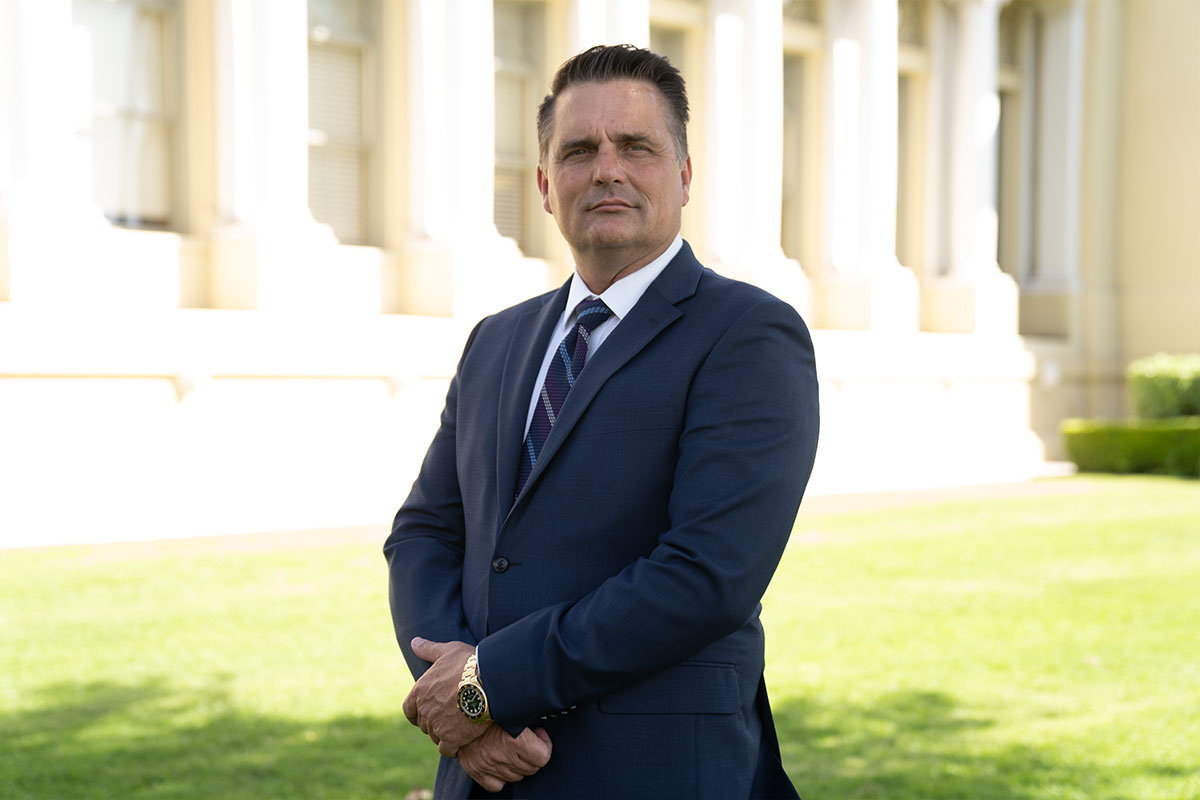
Christian L. Schank started this firm with family law as the only practice area. He completed his J.D. at the University of La Verne College of Law after undergraduate work at Brigham Young University. Martindale-Hubbell gave him an AV Rating back in 2000, which remains their top designation for professional ability and ethical conduct. He carries Lead Counsel Verified status for family law as well.
Custody disputes demand preparation that goes beyond knowing the law. You need to understand how San Bernardino County’s mediation system operates, what local judges tend to emphasize, and how to document parental involvement in ways that resonate with decision-makers. Twenty years of handling these cases in the Inland Empire has given our attorneys that understanding.
We’ve secured favorable custody arrangements for parents across a wide range of circumstances. And when one parent ignores court orders, we pursue consequences. One case resulted in 95 contempt counts against a parent who repeatedly violated custody arrangements.
Our family lawyer in San Bernardino, CA brings this depth of experience to every custody matter we handle.
Parents going through custody disputes have questions. What happens at mediation? How long will this take? What should I be documenting? Can my ex really do that?
We answer those questions directly. We explain what’s happening at each stage of your case, prepare you thoroughly before court appearances, and keep you informed when developments occur. You shouldn’t have to chase your own attorney for updates.
⭐⭐⭐⭐⭐
“Thank you Mr. Schank and Neelamjeet for the Dedication and integrity, the restriction was finally lifted, and I was able to regain custody of my son. Your firm stood by me until the very end, and for that, I am eternally grateful.” — Karen Diez
Read more reviews on our Google Business Profile.

California separates custody into two distinct categories. Legal custody covers decision-making authority. Physical custody addresses where children actually live. Courts decide each one independently based on what serves children’s welfare.

State law creates the framework judges use when making custody decisions. Knowing these rules helps parents understand what courts actually consider.
Family Code Section 3011 spells out what courts weigh when evaluating children’s best interests. Health, safety, and welfare of the child come first. Courts also examine each parent’s history of contact and involvement, whether either parent has committed abuse, and whether either parent struggles with substance issues.
Gender plays no role whatsoever. The law explicitly prohibits judges from considering whether a parent is the mother or father when making custody decisions.
Family Code Section 3020 declares the state’s policy position: children generally benefit from frequent and continuing contact with both parents following separation. That policy creates a starting presumption favoring arrangements that preserve meaningful relationships on both sides.
The presumption isn’t rigid. When circumstances make shared involvement unsafe or impractical, courts adjust based on the specific family’s situation.
Family Code Section 3010 gives both parents equal custody rights. No preference based on gender exists under California law. Both parents enter custody proceedings on identical legal footing.
Family Code Section 3044 addresses situations where one parent committed domestic violence within the past five years. The law presumes awarding custody to that parent wouldn’t serve the children’s best interests. Overcoming that presumption requires evidence, and the burden falls on the parent with the abuse history.
The California Courts website provides general information about custody procedures and forms.

San Bernardino County won’t schedule a contested custody hearing until parents have gone through mediation with Family Court Services. Both parents attend orientation, then meet with a counselor who works toward agreement.
What happens when parents can’t agree varies depending on the case. Sometimes the counselor submits recommendations to the judge. Judges frequently give those recommendations substantial weight because the counselor actually met with both parents and possibly the children. The mediation session often shapes final outcomes more than anything that happens afterward.
We get clients ready for these sessions. That means explaining what to expect, discussing how to present your circumstances, and identifying areas where compromise might narrow the dispute.
Legal custody determines who makes major calls about children’s lives. Which school they attend. Whether they receive certain medical treatments. What religious instruction they get, if any. Whether they can participate in travel sports or other significant activities.
Parents can share joint legal custody even when one parent has primary physical custody. Both participate in significant decisions regardless of where children spend most of their time.
Physical custody addresses living arrangements and how parenting time divides between households. Joint physical custody means both parents have substantial time with children, though not necessarily equal. Some schedules approach 50/50 splits. Others give one parent primary physical custody while the other has regular parenting time.
The practical details matter enormously. School proximity, work schedules, transportation logistics, children’s activity commitments. Parenting plans that work in practice account for how the family actually functions rather than just what sounds fair in theory.

California permits children to express custody preferences. Family Code Section 3042 says children 14 and older may generally address the court if they wish to share their views.
Children don’t make the final call, though. Their preferences represent one consideration among many. Courts also look at whether a parent influenced what the child says, and they balance stated wishes against other evidence about each household.
Helping children through divorce means understanding their developmental needs and protecting them from adult conflict as much as possible.
Custody decisions depend partly on evidence showing each parent’s actual involvement. School records documenting attendance at conferences and events. Medical appointment logs showing who brings children for checkups. Sign-up sheets from coaching or volunteering. Photos from activities, trips, and everyday moments.
Parents who can demonstrate consistent hands-on involvement present stronger cases than those who cannot. We help clients identify what documentation exists, gather it systematically, and organize everything for effective presentation.
Understanding common custody misconceptions helps parents approach these cases with accurate expectations.
Court orders only work if both parents follow them. When one parent denies custodial time, blocks communication, interferes with exchanges, or otherwise violates the arrangement, enforcement becomes necessary.
We pursue contempt proceedings against parents who ignore court orders. Penalties include fines, make-up parenting time, and jail in serious cases. Repeated violations also support modifying custody toward the cooperative parent. Courts consider each parent’s willingness to support the children’s relationship with the other parent, and chronic interference demonstrates the opposite.
San Bernardino County covers an enormous geographic area. Custody cases get heard at different courthouses depending on location. The main Family Law Division operates from the San Bernardino District courthouse, but cases may be assigned to Victorville, Rancho Cucamonga, or other locations depending on where the family lives.
Attorneys who appear regularly in these courts understand local procedures, know how individual judges tend to approach custody questions, and can navigate the system efficiently. That familiarity translates into smoother case handling.
Custody arrangements established now typically become the foundation for years ahead. The parenting schedule and decision-making structure set through your case will govern daily life until your children reach adulthood, though modifications remain possible when circumstances change substantially.
Presenting your situation effectively requires understanding local procedures, preparing thoroughly for mediation, and organizing evidence around what courts actually consider. Schank Family Law offers free consultations. We’ll review your circumstances, explain how California custody law applies to your situation, and discuss what a realistic path forward looks like. Contact us today to schedule a case evaluation.

If you are preparing for a custody dispute in San Bernardino, CA, the work you do before your first court date determines how the rest of the case unfolds. Custody decisions affect your daily life with your children for years, and courts rely on documented evidence to make those decisions.

San Bernardino County handles one of the largest family law caseloads in California. The county’s population exceeds 2.2 million residents, and its Family Court Services division processes thousands of custody matters annually across courthouses in downtown San Bernardino, Victorville, Rancho Cucamonga, and other locations.
According to the U.S. Census Bureau, approximately 12.9 million custodial parents live in the United States, with about 80% being mothers and 20% being fathers. That ratio has shifted gradually over the past three decades. In 1994, fathers represented roughly 16% of custodial parents. The trend reflects a broader shift in how courts and families approach parenting arrangements after separation.
California’s statewide court statistics, published by the Judicial Council, consistently show family law as one of the largest categories of superior court filings. Custody disputes, whether filed as part of a divorce or as standalone parentage actions, represent a substantial share of that workload across all 58 counties.
Under Family Code Section 3040, California courts are required to consider which parent is more likely to allow frequent and continuing contact with the other parent when making custody determinations. This factor has become increasingly significant in San Bernardino County custody decisions, particularly in cases where one parent interferes with the other’s parenting time.
About 3 million children under 18 nationally live exclusively with their fathers, a figure that has grown steadily. San Bernardino County’s younger median age and high proportion of families with minor children mean that custody litigation remains a constant part of the county’s family court docket.


Children do not get to make the final decision at any age. Under Family Code Section 3042, children 14 and older may generally address the court about their preferences, but the judge weighs those preferences alongside all other evidence. Younger children’s views may also be considered depending on their maturity.
Temporary orders can be obtained within weeks. A fully contested custody case, especially one requiring evaluations or involving complex issues, can take six months to over a year. Uncontested cases where both parents agree resolve faster.
Sole custody gives one parent primary authority, either for decision-making (legal custody) or for where the child lives (physical custody). Joint custody means both parents share those responsibilities. Most San Bernardino County orders include joint legal custody regardless of the physical custody arrangement.
Yes. Custody modifications require showing a material change in circumstances since the original order. A new work schedule, relocation, the child’s changing needs, or problems in the current custodial home can all qualify.
No. California law explicitly prohibits gender-based preferences. Both parents start on equal legal footing. Courts evaluate each parent’s involvement, stability, and ability to meet the child’s needs using the same factors. Our firm handles fathers rights cases regularly.
You can file a contempt motion with the court. Penalties include fines, makeup parenting time, and in serious cases, jail. Repeated violations also support modifying the custody arrangement in favor of the compliant parent.
A finding of domestic violence within the past five years creates a rebuttable presumption against awarding custody to the abusive parent. DV allegations and custody proceedings frequently overlap, and the outcomes of one case directly affect the other.
Under limited circumstances. California allows grandparents to petition for visitation when they had a preexisting relationship with the child and visitation serves the child’s best interests. Custody is more difficult and typically requires showing the parents are unfit.
In some cases, the court appoints a professional evaluator to investigate both households, interview the parents and children, and provide a recommendation. Evaluator reports carry significant weight, and preparation for these evaluations is a critical part of the case.
Rarely. Courts prefer to shield children from the adversarial process. When a child’s input is relevant, judges may interview the child in chambers rather than in open court. Testimony from children in the courtroom is unusual in San Bernardino County family law cases.
The relocating parent must provide notice and, if the other parent objects, the court holds a hearing to determine whether the move serves the children’s best interests. These move-away disputes balance the relocating parent’s reasons against the impact on the child’s relationship with the non-moving parent.
Yes. If the child faces immediate risk of harm, a parent can request emergency (ex parte) orders from the court. These orders can be issued the same day and remain in effect until a full hearing can be held, typically within a few weeks.
Schools often factor into custody logistics. If the parents live in different areas of San Bernardino County, the court considers where the child attends school, how far each parent lives from that school, and whether a proposed schedule would disrupt the child’s education.
False allegations in custody cases require a factual defense. Gathering contrary evidence, identifying witnesses, and documenting your actual behavior is essential. Courts have seen tactical allegations before, and a well-prepared response that addresses the claims directly is more effective than emotional reactions.
Custody time directly affects child support calculations. The more overnight time a parent has with the child, the lower their support obligation tends to be under California’s guideline formula. This connection sometimes creates disputes where financial considerations complicate custody negotiations.

Every case begins with a free case evaluation where our intake specialists review your situation and determine next steps. If a paid attorney consultation is warranted, we schedule that promptly.
Custody cases also intersect with other family law issues. Support calculations change based on custodial time. Property division affects each parent’s financial stability. Domestic violence allegations can reshape the entire custody analysis. We handle all of these areas, which allows us to address the custody dispute within the full context of the family’s situation.

Parents involved in custody matters in San Bernardino, CA have access to several government and court resources that may assist at different stages of the process.
Schank Family Law does not endorse and is not affiliated with any of the organizations listed above. This information is provided as a public resource and may change without notice.
454 N Arrowhead Ave B
San Bernardino, CA 92401
If you are facing a child custody dispute in San Bernardino County, the arrangements established now will govern your daily life with your children for years. Our firm offers free case evaluations and can assess your situation before you commit to representation. Contact us to schedule your evaluation.
Posted on GoogleLeann C
Highly recommend. Amazing and supportive during a challenging divorce. They understand woman’s rights. The team explains the steps being taken. They know how to handle a spouse that is uncooperative.Posted on GoogleRaime G
Mr.Schank did a wonderful job for our case, I can’t thank him enough! The entire team is so helpful, professional and friendly! I highly recommend their services! Thanks again! 🙌🏼Posted on GoogleRobert M
I cannot thank Schank Family Law and my attorney, Vanessa Estrada, enough for everything they did for me and my daughter. After a long and difficult custody battle, we achieved a successful outcome, and I truly believe Vanessa’s dedication, knowledge, and hard work played a major role in that victory. From day one, Vanessa genuinely cared about my case. She took the time to understand every detail, remembered every situation, and always made me feel like my case mattered. Her professionalism, preparation, and knowledge of family law gave me confidence throughout one of the most stressful times of my life. What impressed me most was how hard she fought. She never gave up, stayed focused on what was in my child’s best interest, and stood by me every step of the way. Whenever I had questions or concerns, she was responsive, honest, and always prepared. If you’re looking for an attorney who truly cares about her clients, is extremely knowledgeable, and will fight for you until the very end, I highly recommend Vanessa Estrada and Schank Family Law. Thank you, Vanessa, for helping me secure a better future for my daughter and for being such a strong advocate during this journey. I will always be grateful. ❤️Posted on GoogleAsh M
I had a awesome phone call with Clarisa she settled me made me feel a lot better took the time to hear me out.. extremely happy I made the appointment with her..Posted on GoogleVivian S
I’m so grateful for Shank Family Law. Christian Schank and Derek Austin helped me so much during an extremely stressful time, and I truly felt like I could fully rely on their knowledge and expertise. Brian in the office was also always so kind and lovely to speak with. Their whole team made me feel supported and taken care of, and honestly helped me sleep better at night knowing I was in good hands. I would never go with anyone else.Posted on GoogleCollin w
Shank Family Law was absolutely amazing. Everyone from the attorneys to the staff and secretary was compassionate, professional, and incredibly knowledgeable. They provided so much guidance and support throughout the entire process and truly made me feel cared for during a difficult time. I honestly could not imagine choosing anyone else. I’m beyond grateful for their help and highly recommend them.Posted on GoogleCooper C
Helped me so muchPosted on GoogleBeverly A
Great Family Lawyers! They really care about their clients and have great communication. I would recommend!Posted on GoogleLuke H
Working with Christian Schank was one of the best decisions I could have made during a really difficult time. They are truly the best in the state. Incredibly knowledgeable, always responsive, and they went above and beyond to protect my interests. I felt supported and confident every step of the way, and everything was handled with professionalism and care. I could not recommend them more highly.Posted on GoogleRuff F
Great firm, they are legit in family law cases
Speak with an experienced attorney about your family law case.
"*" indicates required fields
Attorney Christian L. Schank founded Schank Family Law in 2003. With eight offices and a Certified Family Law Specialist on staff, the firm handles divorce, custody, support, and property matters in courts across the state.
Contact our office to schedule a free case evaluation. Tell us about your family law matter and learn how our attorneys can help.
"*" indicates required fields